


PR CENTER
NEWSROOM
Top 7 effective heat-resistant roof materials used today
05-05-2026
Table of content
For areas that frequently experience extreme heat, choosing suitable heat-resistant roof materials is an important factor in reducing indoor temperatures. Today, heat-resistant roof materials are increasingly diverse, offering different insulation performance and aesthetic qualities to suit various building types and usage needs. Join BMB Steel as we explore the 7 most effective and commonly used heat-resistant roof materials in the article below.
1. Fired clay tiles
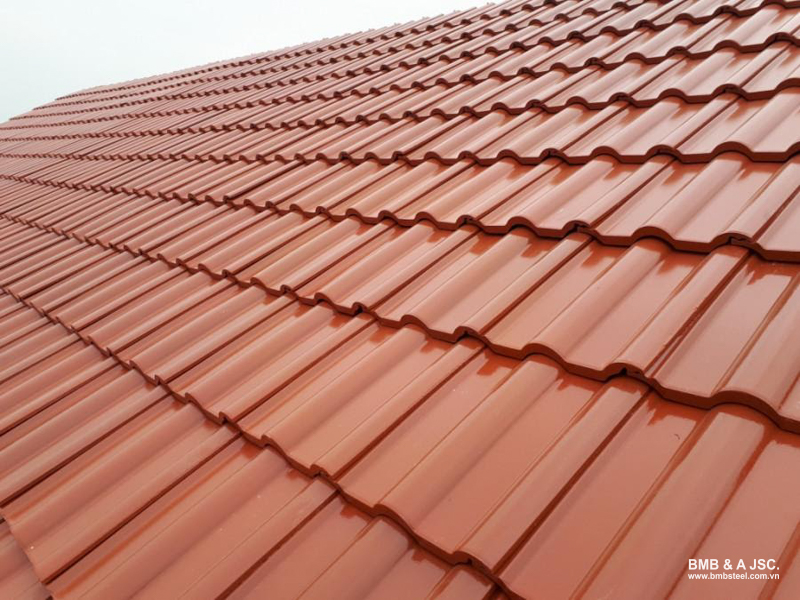
Fired clay tile roofs are a highly regarded heat-resistant roof solution thanks to the harmonious combination of traditional aesthetics and long-term performance. This type of tile is produced from natural clay and fired at high temperatures, resulting in a stable, durable surface color over time.
With a dense structure and good heat reflection and insulation properties, fired clay tiles help minimize heat absorption from direct sunlight, contributing to a cooler and more comfortable indoor environment during hot weather.
With a lifespan that can last for decades or even hundreds of years, fired clay tile roofs are suitable for both residential houses and traditional or heritage architectural structures. This makes them an ideal choice for homeowners who prioritize traditional beauty along with effective heat resistance for their roofs.
2. Natural slate tiles
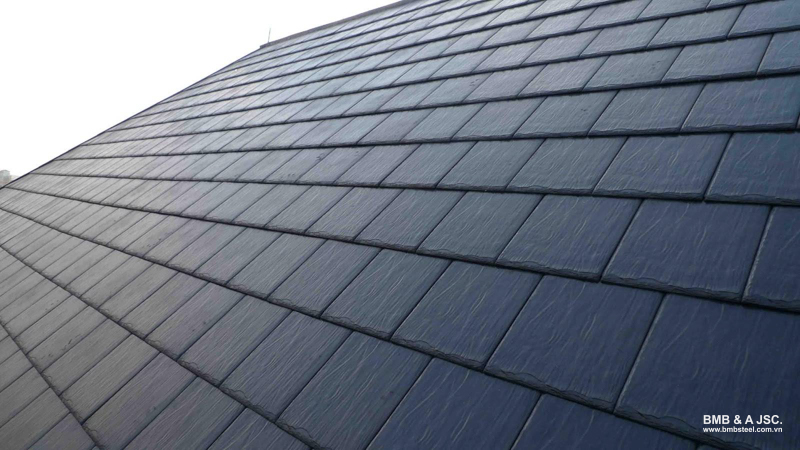
Considered a premium heat-resistant roof material, natural slate tiles stand out for their distinctive beauty and near-timeless durability. Formed through the natural metamorphic process of stone over hundreds of years, slate tiles offer excellent moisture resistance and effective protection against mold, making them especially suitable for buildings with steep roof slopes. This material helps limit heat absorption from external sources, contributing to a consistently cool and comfortable indoor environment.
Beyond their functional performance, natural slate tiles also deliver high aesthetic value. The characteristic colors and stone veining, which vary depending on the quarry, create a unique and individual appearance for each roof.
3. Concrete tiles
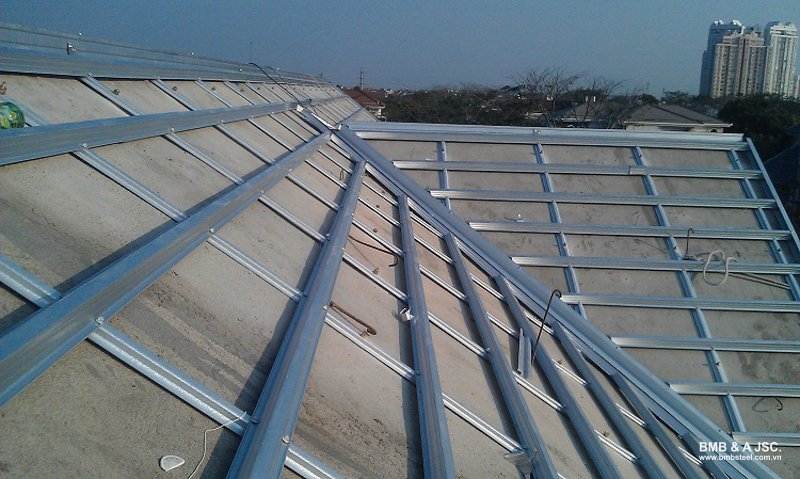
Concrete tiles, also known as cement tiles, are manufactured from a mixture of cement, sand, and water, then molded into shape and coated with a waterproof layer to enhance durability and weather resistance. Compared to fired clay tiles, concrete tiles feature larger dimensions and greater thickness, which helps significantly reduce heat transfer from the roof to the space below.
Thanks to their dense and stable structure, concrete tiles help maintain a balanced indoor temperature and reduce temperature fluctuations between daytime and nighttime. The surface coating also plays an important role in reflecting sunlight, limiting direct heat absorption.
4. Bitumen roofing sheets
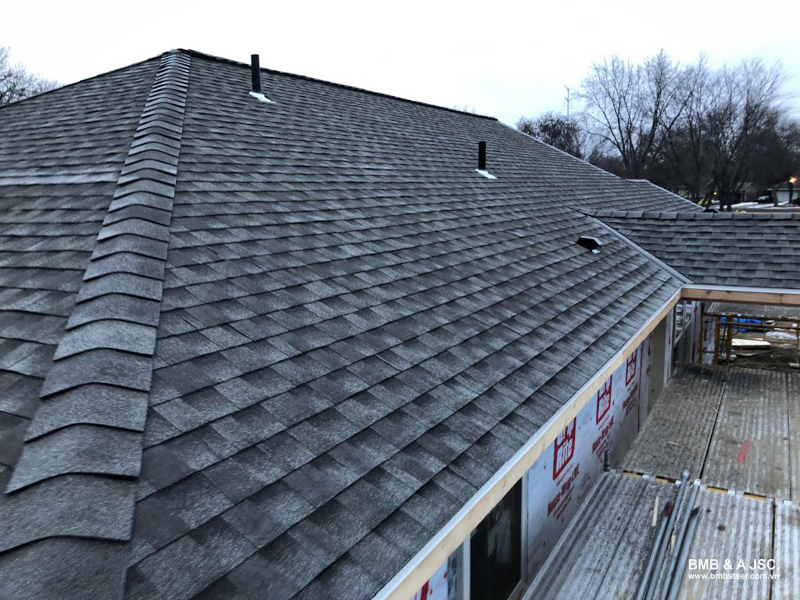
Bitumen roofing sheets, also known as stone-coated bitumen shingles, are heat-resistant roof materials with a multi-layer structure. They are composed of a fiberglass reinforcement layer, combined with a highly waterproof bitumen layer and a natural stone-coated surface.
Thanks to this specialized structure, bitumen roofing sheets offer effective thermal insulation, significantly reducing the amount of heat absorbed from the roof into the interior space of the building. The natural stone coating enhances the roof’s aesthetic appeal while also reflecting solar radiation, helping limit heat buildup on the roof surface.
The thermal insulation performance of bitumen roofing sheets is further supported by the material’s good elasticity and high durability. When exposed to high temperatures, the sheets are less prone to expansion or cracking, allowing them to maintain stable heat-resistant performance over time. In addition, the bitumen layer provides excellent waterproofing, preventing rainwater from penetrating the roof structure and limiting the growth of moss and mold.
5. PU insulated metal roofing sheets
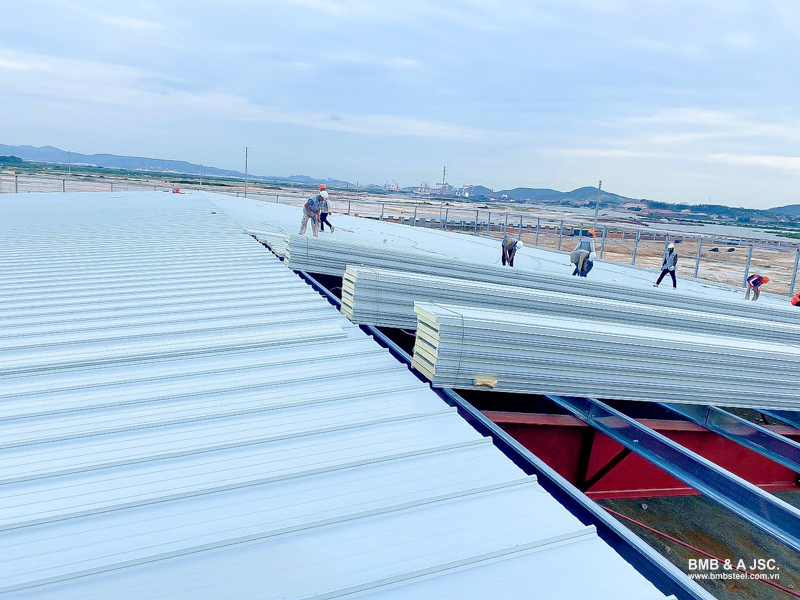
PU insulated metal roofing sheets are among the most highly rated heat-resistant roof materials thanks to their three-layer structure, which includes a galvanized steel sheet, a Polyurethane (PU) insulation layer, and an outer protective layer made of aluminum foil or PVC plastic. The PU layer plays a key role in blocking heat transfer from the roof to the space below, helping maintain a cool indoor environment even during periods of intense heat.
The outer aluminum foil or PVC layer also provides heat-reflective properties, reducing the direct impact of sunlight on the roof and limiting heat absorption. In addition to thermal insulation, PU insulated metal roofing sheets offer relatively good sound insulation, helping reduce noise caused by heavy rain or strong winds, thereby creating a quieter and more comfortable living space.
6. Insulated foam metal roofing sheets
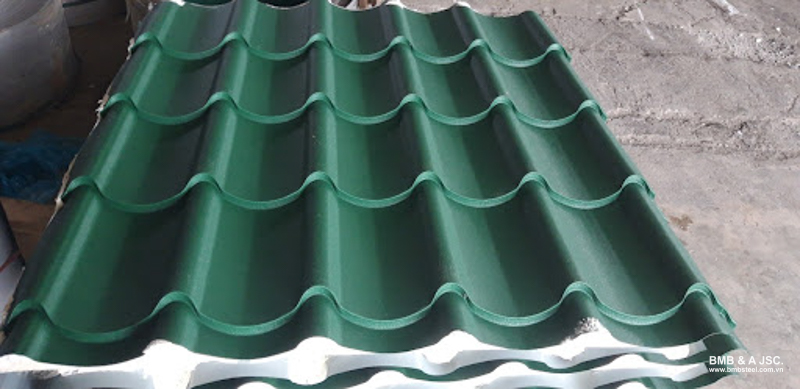
Insulated foam metal roofing sheets, also known as insulated metal sheets, are effective heat-resistant roof materials with a three-layer structure consisting of a galvanized steel sheet, a thermal insulation foam layer, and an outer protective layer made of plastic or aluminum foil. The foam layer plays a primary role in reducing heat transfer, helping keep the space beneath the roof cool and minimizing discomfort during hot weather.
In addition to thermal insulation, insulated foam metal roofing sheets help reflect solar radiation thanks to the outer aluminum foil or plastic layer. As a result, heat buildup on the roof surface is significantly reduced, limiting the increase in indoor temperature. Furthermore, the sound-insulating foam layer helps reduce noise from the external environment, especially noise caused by heavy rain or strong winds.
7. Solar-integrated roofing sheets
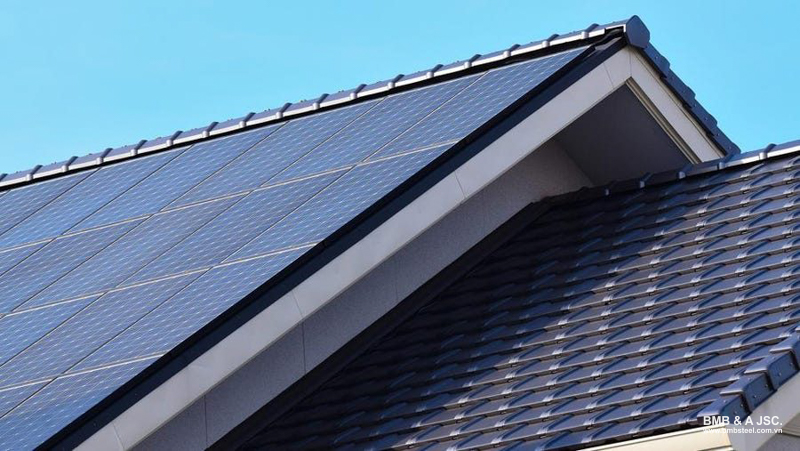
Solar-integrated roofing sheets are a modern heat-resistant roof solution that is increasingly favored thanks to the balanced combination of functionality and aesthetic appeal. In addition to providing thermal insulation and limiting heat absorption during hot seasons, these roofing sheets can convert sunlight into electricity, helping reduce energy costs and improve the efficiency of natural energy utilization.
With a lightweight design and an appearance similar to traditional roofing materials, solar roofing sheets can be easily applied to various types of buildings, from residential houses to commercial structures. Notably, thanks to their environmental friendliness and high durability, this type of roofing material is well suited to hot climates and contributes to long-term energy efficiency and sustainable living spaces.
Heat-resistant roof materials play an important role in controlling temperature, protecting the structure, and improving the overall performance of a building. Hopefully, the heat-resistant roof materials summarized above by BMB Steel will provide you with a solid basis for choosing a suitable solution, thereby ensuring long-term efficiency and sustainability for your project.
5 months ago
Learn about one-way and two-way strip foundations, their differences, pros and cons, and considerations for choosing the right solution for your project.
2 years ago
Discover the growing demand for steel structures in global construction. Learn about steel structure types, advantages, and key applications.

5 months ago
What is an EPC contract? Learn how EPC contracts work, contracting strategies, the role, pros, cons of EPC contractors and differences between EPC and EPCM.
8 months ago
What is a bolt? Learn about bolt structure, classification, applications, how to choose bolts that meet technical standards in construction and engineering.
8 months ago
Detailed guidelines for proper single-layer slab reinforcement arrangement, important notes to ensure structural safety and extend the building’s lifespan.
Comment
(0)


The strip footings are one of the most commonly used types of foundations in the construction of houses, factories, and 2-story houses. The 2-story house's strip footings have a simple structure, easy construction and reasonable cost, suitable for many projects.
When constructing and erecting steel structures, builders and investors need to understand how to operate and build smoothly and conveniently. What should be noticed in steel structures’ construction and erection process
Currently, most businesses choose to construct prefabricated buildings for their projects. What are the structure and advantages of prefabricated? Let’s explore the article below.
Advancements in steel structures have been widely used in the construction of transport infrastructure in Southeast Asia. The writing below shall explore some of the innovative uses of steel structures.
It is crucial for construction companies to research thoroughly and follow strictly specifications standards for when constructing steel structures. The writing below shall focus on exploring some codes and standards applied in Vietnam.
Overview of the indispensable equipment commonly used in the steel structure manufacturing process at the factory, the specific use of each machine for your reference. Let’s learn more!

