


PR CENTER
NEWSROOM
What are metal structural components and applications?
11-29-2026
Table of content
In modern construction, metal materials are playing an increasingly important role. They are widely used from small details to large load-bearing structures thanks to their high durability and flexible fabrication capabilities. So, what are metal structural components, what advantages and disadvantages do they have, and how are they applied in construction? Let’s explore the details with BMB Steel in the article below.
1. What are metal structural components?
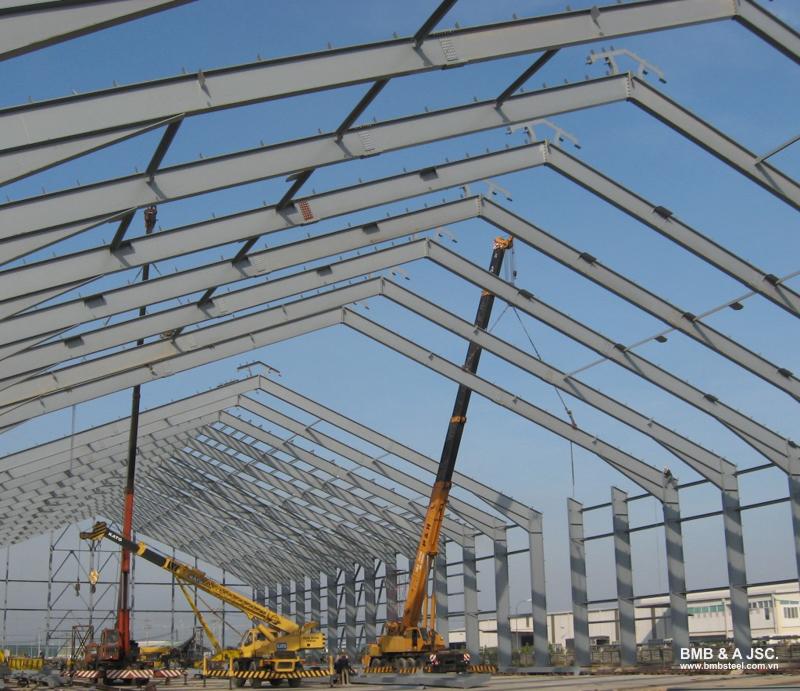
Common metal structural components in construction
Metal structural components are parts manufactured from metals such as steel, aluminum, or metal alloys, used to assemble and form the structural system of construction projects or industrial products. These components are typically prefabricated in factories according to technical drawings and then transported to construction sites for installation, helping shorten construction time and ensure high accuracy.
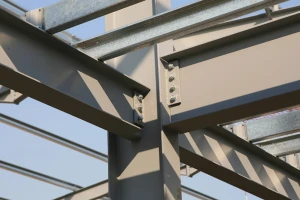
Common metal structural components include columns, beams, trusses, purlins, roof frames, and auxiliary structural systems. Thanks to their strong load-bearing capacity, flexible fabrication, and high durability, metal structural components are widely used in pre-engineered steel buildings, industrial factories, and high-rise buildings.
2. Advantages and disadvantages of metal structural components
Metal structural components are widely used in many fields thanks to their outstanding properties. However, this material still has certain advantages and disadvantages that should be carefully considered before use.
2.1. Advantages
- Metal structural components have high load-bearing capacity and good stiffness, helping structures remain stable under mechanical impacts and heavy loads. Compared to traditional materials such as bamboo or wood, metals offer better heat resistance and are less prone to deformation during use.
- Under normal environmental conditions, metals can achieve high durability if properly maintained. They are also easy to fabricate, allowing for the creation of various shapes and aesthetically refined details.
- Metal structural components are often prefabricated in factories, making transportation and installation more convenient while shortening construction time. When repairs or adjustments are required, they can be handled relatively easily through methods such as welding, cutting, or drilling.
- Metals are almost fully recyclable, contributing to waste reduction and minimizing environmental impact.
2.2. Disadvantages
- In some cases, metals are not as readily available as natural materials such as soil, stone, or wood. The fabrication and installation of metal structural components typically require specialized equipment and significant energy consumption, which may result in higher initial investment costs.
- Certain metals are susceptible to oxidation or corrosion if not properly protected, especially in humid environments or coastal areas.
- Since metals are conductive materials, they may pose safety risks if appropriate insulation measures are not applied.
- Compared to concrete, metal structures generally have lower fire resistance.
3. Common metals used in construction
After understanding what are metal structural components and their pros & cons, the next step is to explore the metals most commonly used in construction. Some of the most widely used metal materials include the following:
Iron/Steel
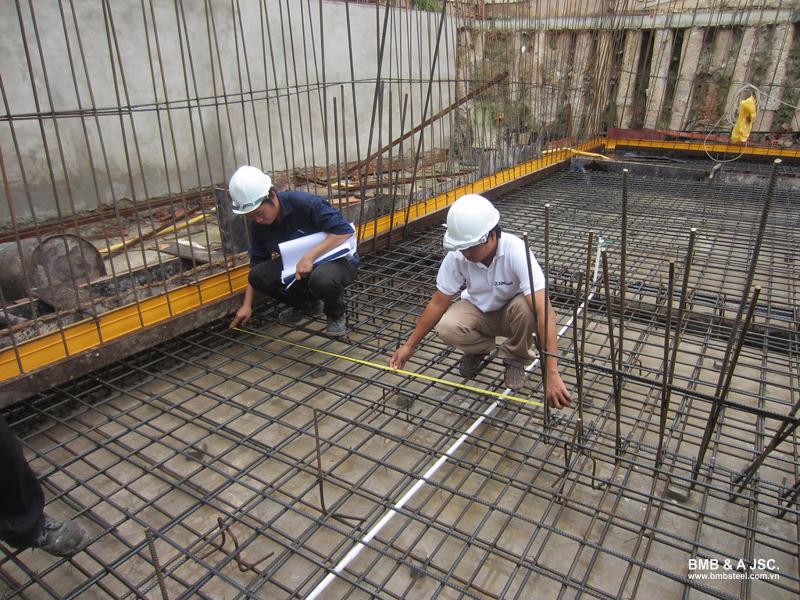
Reinforced concrete structures
- Iron/steel (commonly referred to as steel) is the most widely used metal in construction, especially in load-bearing structural systems.
- It is an alloy of iron combined with a small amount of carbon and other chemical elements.
- Steel offers high stability along with excellent compressive and tensile strength.
- It is commonly applied in reinforced concrete structures, steel structures, and various architectural components through different types of structural steel sections.
Metal sheets
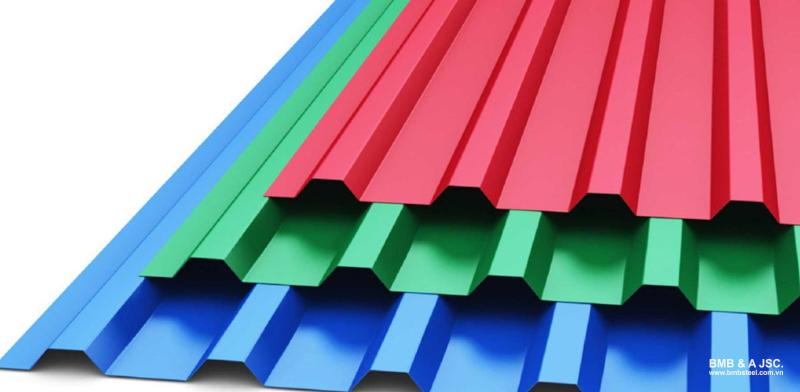
Metal sheets are rolled into thin panels with protective coatings
- Metal sheets are thin metal panels produced through rolling processes and are typically coated or painted to improve durability.
- They are widely used for roofing, wall cladding, and doors due to their lightweight properties and ease of installation.
Aluminum/Aluminum alloys
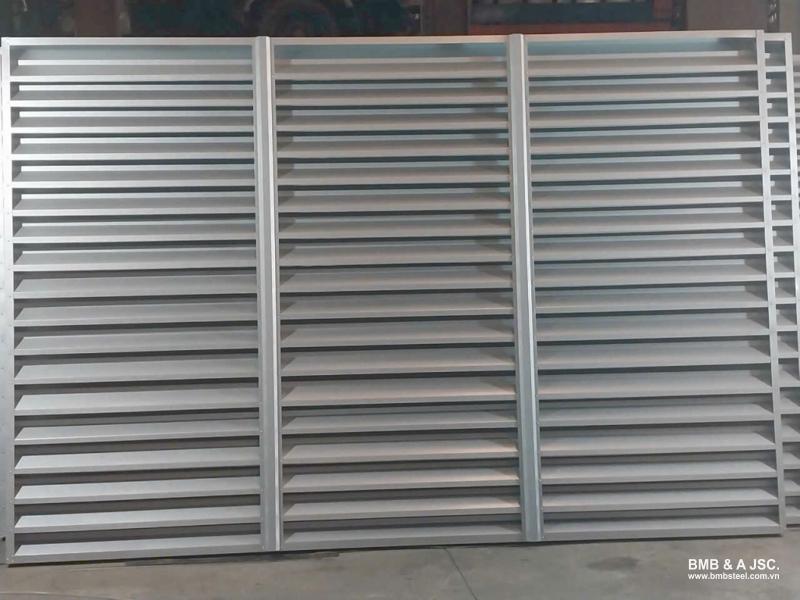
Aluminum louvers are used for building ventilation
- Aluminum is a lightweight and relatively soft metal, commonly used in areas that do not require high load-bearing capacity or strong impact resistance.
- When exposed to air, aluminum forms a protective oxide layer on its surface, enhancing corrosion resistance.
- In construction, aluminum is frequently used for sunshades, window frames, ceiling cladding, and architectural surfaces.
Stainless steel
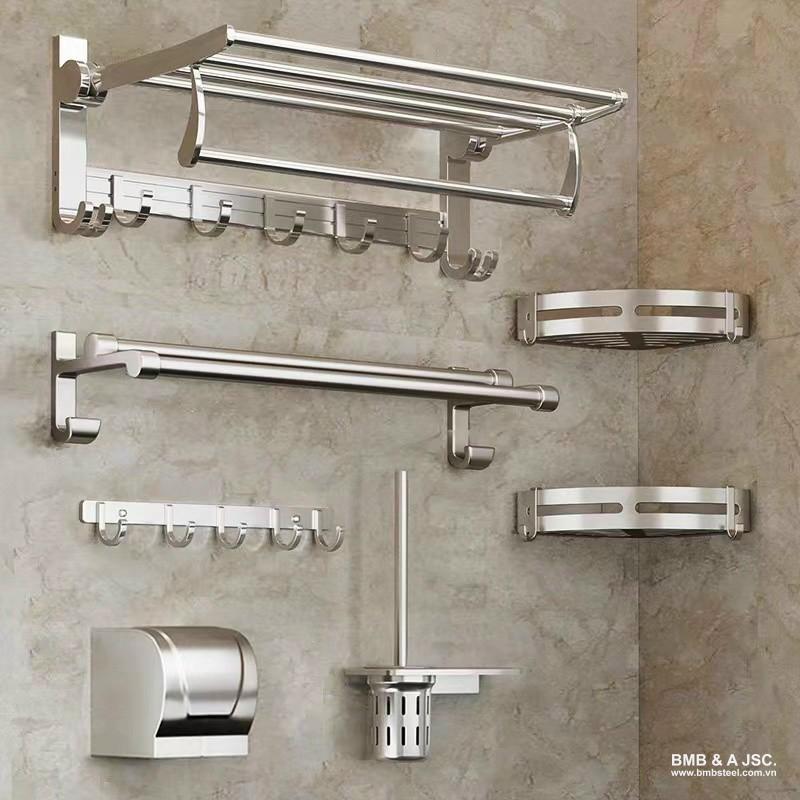
Stainless steel is commonly used for bathroom fixtures
- Stainless steel is an iron-based alloy containing at least 10.5% chromium, which provides strong resistance to oxidation and corrosion under normal conditions.
- Thanks to its resistance to discoloration and scratches, stainless steel is widely used in high-contact or hygiene-sensitive applications such as railings, sanitary equipment, kitchen equipment, and exterior architectural details.
Copper
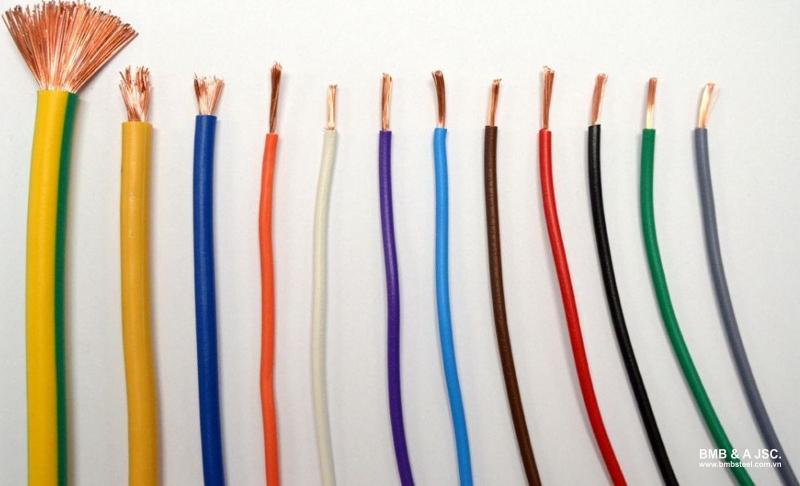
Copper is mainly used for electrical wiring cores and electrical equipment
- Copper has been used by humans since ancient times due to its excellent electrical and thermal conductivity.
- In modern construction, copper is rarely used for structural purposes but is mainly applied as the core material for electrical wiring and electrical equipment.
- Additionally, copper appears in certain architectural and interior details such as door handles, locks, signage, floor trims, etc.
4. Applications of metal structural components in construction
Metal structural components are increasingly used across various construction categories. Depending on the intended purpose, metals can be incorporated into primary structural systems, architectural details, interior elements, and building equipment. Below are some common applications of metal structural components.
Load-bearing structures
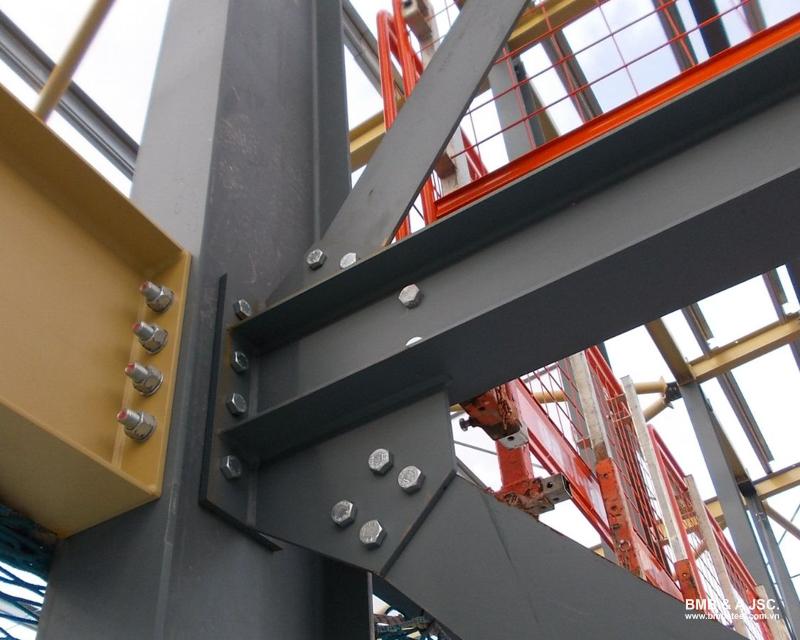
Applications in steel structure projects
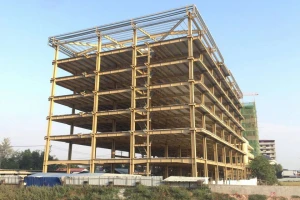
In modern construction, traditional structural systems such as masonry or timber frames are gradually being replaced due to limitations in material performance and load-bearing capacity. Steel structures and reinforced concrete structures have become more common solutions, in which metals (especially steel) play a crucial role.
Steel can be used in almost all structural elements, including foundations, columns, beams, floors, and roofs, and can also be combined flexibly with various materials and structural systems.
Fences and metal grilles
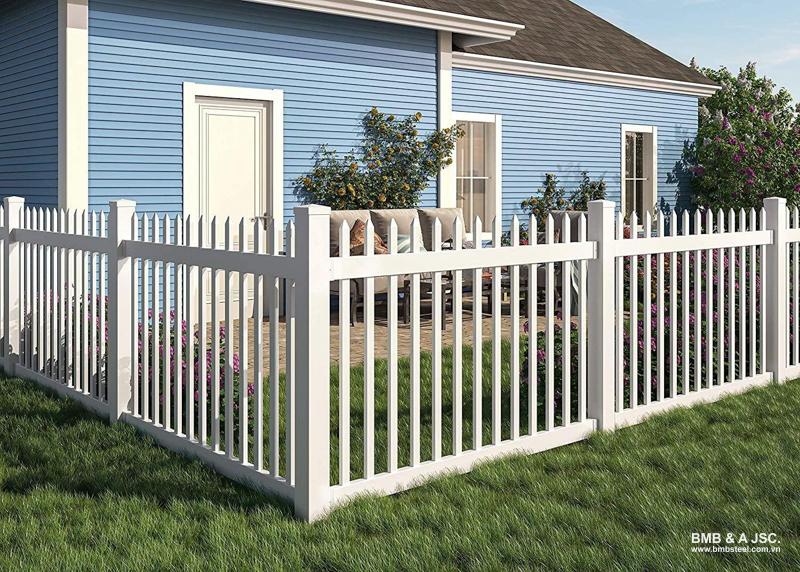
Metal fences improve durability and strength
Metal is widely used for fences and gates in construction projects. Steel fences offer durability, openness, and unobstructed visibility. In addition, metal is easy to shape, allowing diverse design options that enhance the architectural appearance of building facades.
Metal grilles are often installed at doors or ventilation openings to improve security while adding decorative architectural accents.
Roof systems
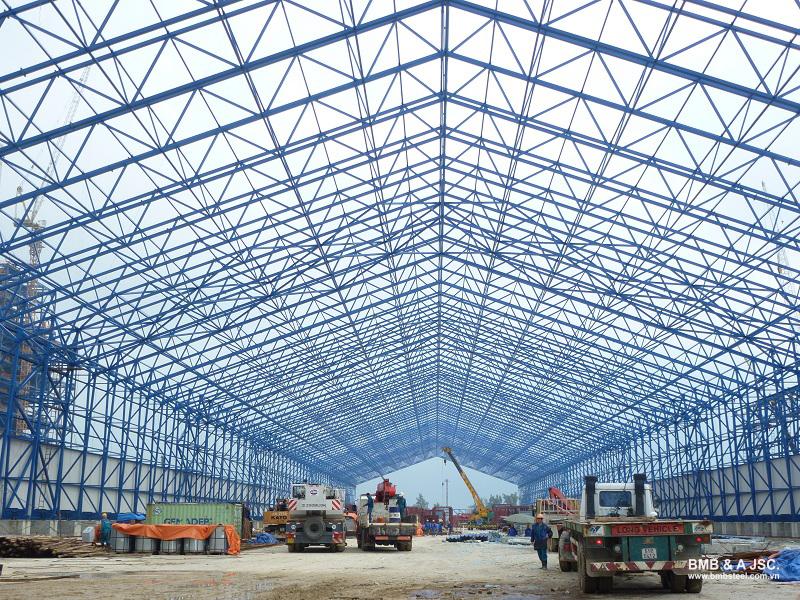
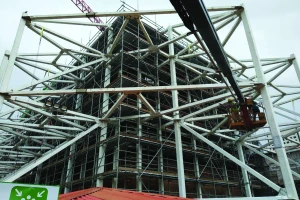
Steel truss systems allow large-span structures
Metal is increasingly used in roofing systems thanks to its lightweight properties, ease of fabrication, and convenience in installation and dismantling. Both roof structural frames and roofing materials can be made from metal.
Steel truss systems, especially space trusses, enable large spans and are suitable for many types of buildings. Steel roofs can also be combined with materials such as tiles, metal sheets, or glass.
Doors and gates
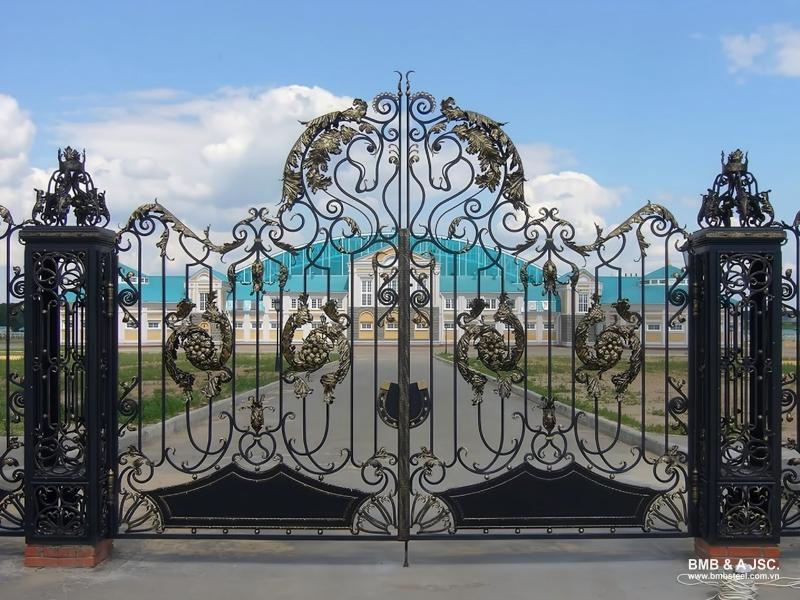
Metal gates gradually replace wooden gates
In the past, doors were mainly made of wood and produced manually. However, with the demand for mass production and the depletion of forest resources, metal doors have become a common alternative.
Today, various types of metal doors are available, including steel doors, aluminum doors, and steel-core uPVC doors, often combined with glass to enhance aesthetics and natural lighting.
Walls, partitions, and ceilings
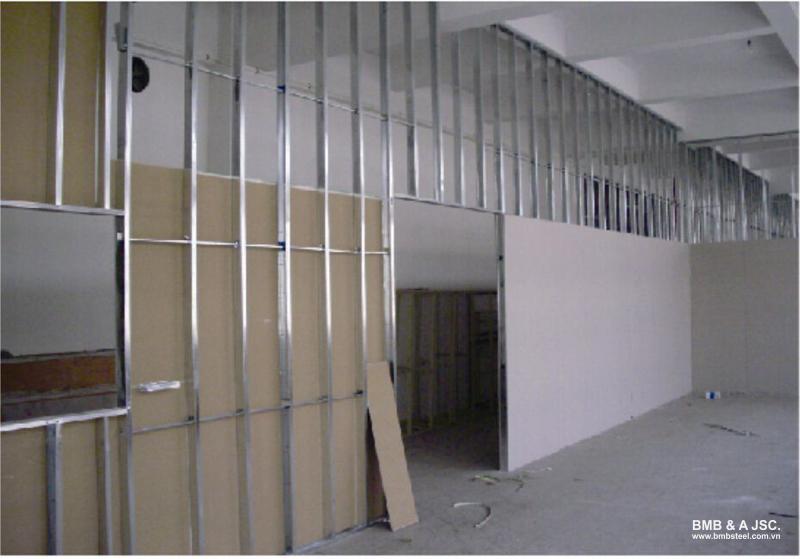
Gypsum partitions with metal framing systems
In modern architecture, traditional masonry walls are increasingly replaced by more flexible material solutions.
Metal is commonly used as the structural framework for walls and partitions. For example, gypsum board partitions with metal studs are widely used in offices and public buildings. Metal is also applied in ceiling structures or ceiling surface finishes in many contemporary projects.
Staircases
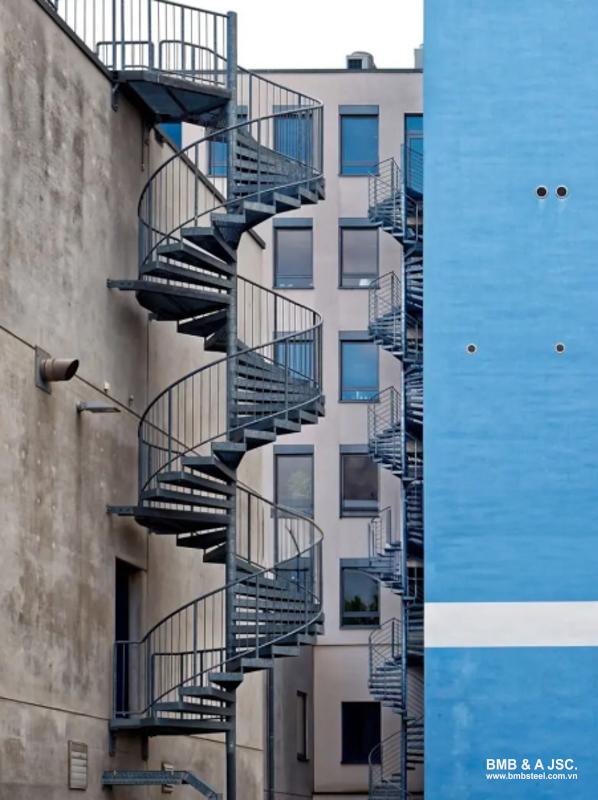
All staircase components can be made from metal
Metal staircases are becoming more popular thanks to their aesthetic appeal and durability. Components such as stringers, steps, railings, and handrails can all be fabricated from metal.
In residential buildings, the combination of metal and wood is increasingly common. This approach maximizes the advantages of each material while enhancing interior aesthetics. Elements that do not necessarily require wood can be replaced with steel, thereby reducing timber consumption and supporting forest conservation.
Furniture
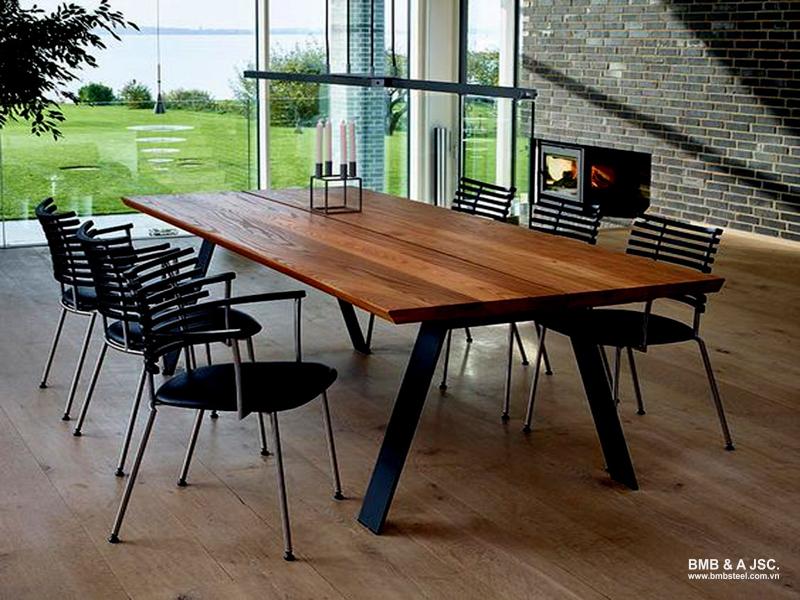
Wooden tabletop combined with steel legs
Metal is increasingly present in interior design, especially when combined with materials such as wood, plastic, leather, etc. Steel, aluminum, and stainless steel are commonly used as structural frames for furniture items such as tables, chairs, beds, and shelves, improving durability and load-bearing capacity.
Machinery, equipment, and accessories
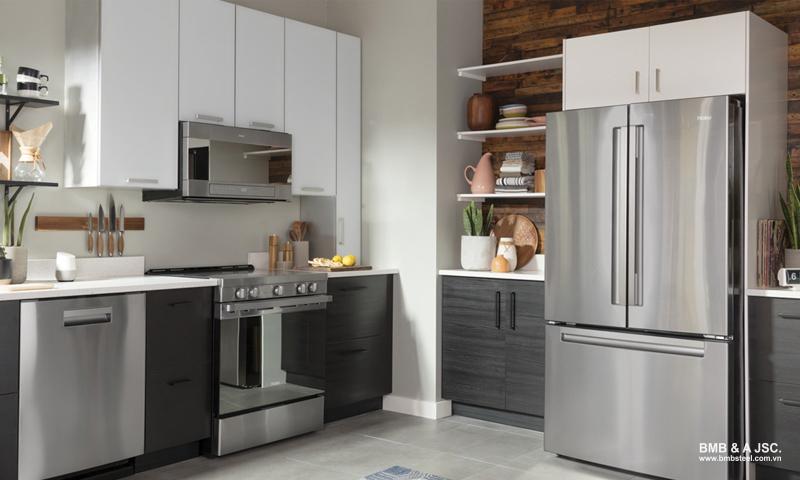
Kitchen equipment and tools made from metal
In modern buildings, many machines and systems are made from metal, including elevators, pumps, generators, air-conditioning systems, etc.
Household and technical equipment such as televisions, refrigerators, washing machines, kitchen appliances, electrical fixtures, water fittings, and lighting systems also contain numerous metal components.
Metal is additionally used for connection accessories within buildings, such as plates, sliding rails, hinges, door latches, and various household items like cookware, knives, hanging accessories, etc.
Metal has become an essential part of modern construction, contributing to the advancement of structural solutions and building materials across the industry. Understanding what are metal structural components, their characteristics and applications, helps make design, construction, and material selection processes more efficient. Through this article by BMB Steel, we hope you have gained useful insights into metal structural components and their role in today’s construction projects.
3 weeks ago
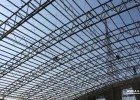
Learn the proper metal roof truss installation method, calculation and design principles, and common roof truss types used in prefabricated steel buildings.
6 months ago
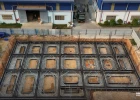
Learn about one-way and two-way strip foundations, their differences, pros and cons, and considerations for choosing the right solution for your project.
2 years ago
Discover the growing demand for steel structures in global construction. Learn about steel structure types, advantages, and key applications.

6 months ago
An overview of commonly used heat-resistant roof materials, such as tiles, insulated metal roofing, etc., which are suitable for various types of buildings.

6 months ago
What is an EPC contract? Learn how EPC contracts work, contracting strategies, the role, pros, cons of EPC contractors and differences between EPC and EPCM.
Comment
(0)


Steel is a widely used construction material with numerous benefits. This article explores types of steel structure materials, their properties, and applications.
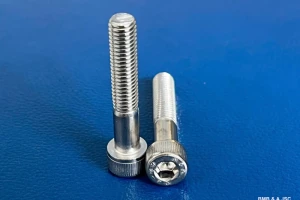
What is a bolt? Learn about bolt structure, classification, applications, how to choose bolts that meet technical standards in construction and engineering.
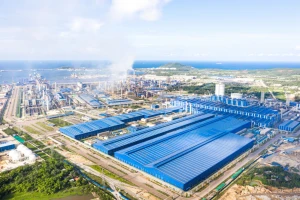
There are a number of steel buildings constructed and in use. The writing below shall give you an overview of some impressive steel structure projects in Vietnam.
When building pre-engineered buildings, designing and constructing sturdy steel structures are vital in maintaining the durability and ensuring safety. What are the features of steel structures? Which is the most reputable steel structure construction company? In this article, BMB Steel will answer these questions for you.
Pre-engineered steel buildings are composed of different elements connected through connection systems. This article will discuss the differences between flexible connections and rigid connections.
How are steel building structures created? This article shall discuss this question.

